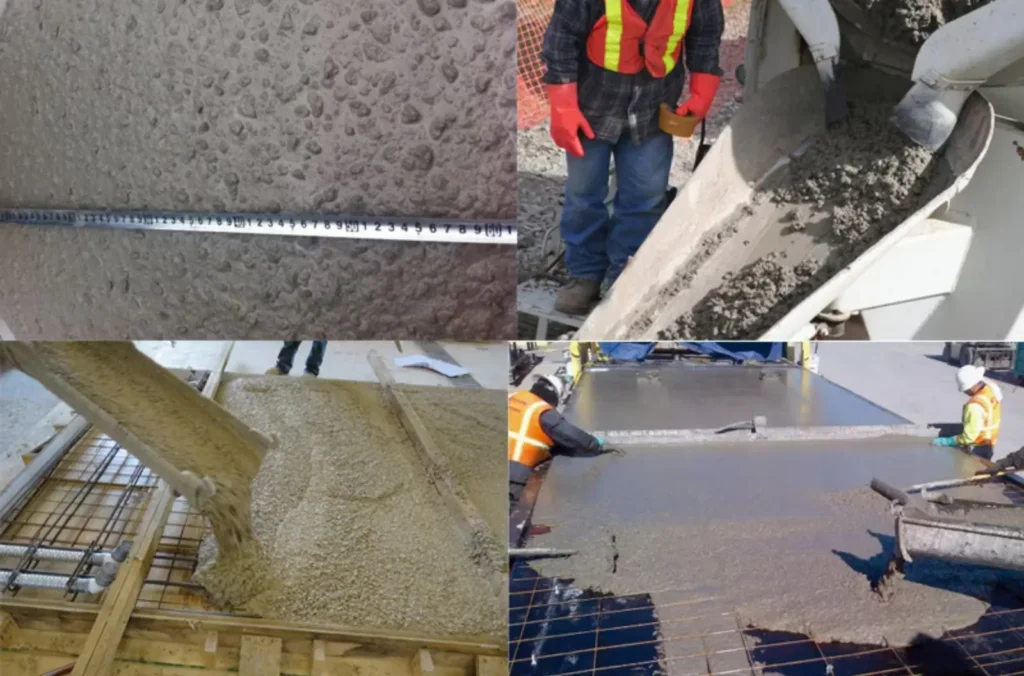
Sodium gluconate, a sodium salt of gluconic acid, has emerged as a vital additive in the construction industry, particularly in concrete production. Known for its exceptional chelating and stabilizing properties, it enhances the performance and durability of construction materials. This article explores how sodium gluconate contributes to modern construction processes and improves the quality of concrete.
Chemical Properties of Sodium Gluconate Relevant to Construction
The unique chemical properties of sodium gluconate make it a preferred choice in construction applications. Its chelating ability, water solubility, and eco-friendly nature add value across various construction processes.
- Chelating Ability: Sodium gluconate binds with metal ions like calcium and magnesium, preventing scaling and ensuring smooth chemical reactions in concrete formulations.
- Solubility in Water: Its high water solubility allows it to blend seamlessly into concrete mixtures, promoting uniform distribution of additives.
- Stability Across pH Levels: Sodium gluconate remains stable in both acidic and alkaline environments, enhancing its performance in diverse construction conditions.
- Biodegradability: As a biodegradable compound, it aligns with the construction industry’s move toward sustainable practices.
These properties enable sodium gluconate to enhance the performance and durability of construction materials while minimizing environmental impact.
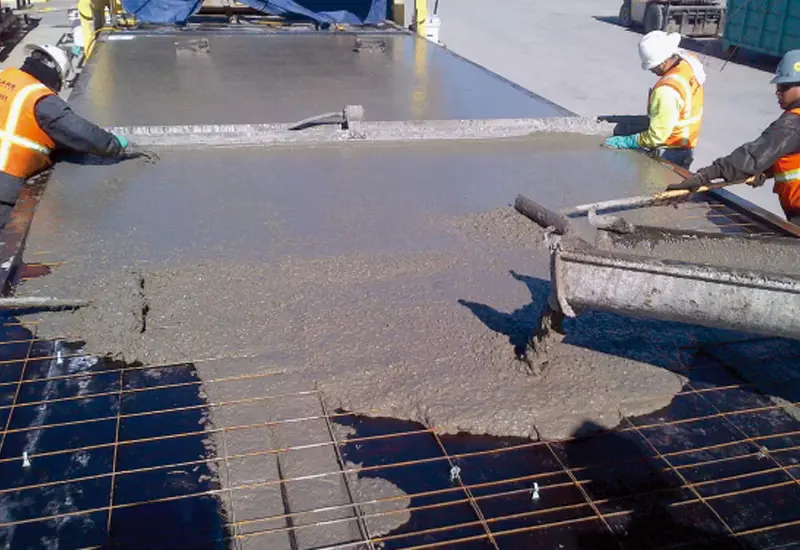
Looking for High-Quality Chemicals?
We offer a wide range of products for diverse industries.
Role of Sodium Gluconate in Concrete and Construction Materials
Sodium gluconate serves multiple functions in construction, making it a versatile and indispensable additive.
a. Retarder for Concrete Setting Time
One of the most significant roles of sodium gluconate is as a set retarder. By delaying the hydration process of cement, it extends the setting time of concrete, which is particularly beneficial in:
- Large-Scale Projects: Construction of bridges, tunnels, and dams requires extended setting times to manage large concrete volumes.
- Hot Climates: Prevents premature setting caused by high temperatures, ensuring proper curing and structural integrity.
b. Plasticizer for Enhanced Workability
Sodium gluconate acts as a plasticizer, reducing the water content in concrete mixtures while maintaining workability. This results in:
- Improved Handling: Easier to pour and shape concrete, particularly for complex designs.
- Better Strength: Reduced water content leads to denser, more durable concrete structures.
c. Corrosion Inhibition for Reinforced Concrete
Corrosion is a major concern in reinforced concrete. Sodium gluconate helps mitigate this issue by:
- Chelating Metal Ions: It prevents rust formation on steel reinforcements by binding with corrosive ions like chloride.
- Enhancing Longevity: Prolongs the life of infrastructure by minimizing structural degradation caused by rust.
d. Scale Inhibition in Construction Systems
Scaling in construction equipment can disrupt operations and reduce efficiency. Sodium gluconate effectively prevents scale buildup in:
- Mixers and Pipes: Keeps systems clear, ensuring smooth operation and consistent concrete quality.
- Water Systems: Reduces maintenance requirements for water-circulating systems used in concrete production.
Need Reliable and Efficient Chemical Products?
Let us help you find the perfect match for your needs.
How Sodium Gluconate Improves the Quality of Concrete and Construction?
Sodium gluconate plays a transformative role in enhancing the overall quality of concrete and construction materials. Its unique chemical and functional properties contribute to stronger, more durable, and aesthetically superior structures. Here’s a deeper exploration of how it achieves these improvements:
Enhanced Strength
Sodium gluconate promotes uniform hydration in cement, ensuring that the curing process occurs evenly throughout the concrete. This results in:
- Reduced Porosity: Sodium gluconate minimizes the formation of voids within the concrete, creating a denser and more compact structure. This improves the compressive strength of the material, making it capable of bearing greater loads.
- Long-Term Durability: By enhancing the strength and integrity of the concrete, sodium gluconate ensures that the structures can withstand environmental and mechanical stresses over extended periods.
Practical Example: In large-scale infrastructure projects like bridges and dams, sodium gluconate ensures that the concrete has the strength required to endure heavy traffic and fluctuating environmental conditions.
Crack Resistance
Cracking is a common issue in concrete, especially during the curing process. Sodium gluconate mitigates this problem by:
- Preventing Shrinkage: Its ability to delay the setting time of concrete allows for gradual hydration, reducing the likelihood of shrinkage cracks.
- Mitigating Thermal Stresses: In hot climates, rapid temperature fluctuations can cause concrete to expand and contract, leading to cracks. Sodium gluconate stabilizes the curing process, minimizing the impact of thermal stresses.
Key Benefit: Structures such as high-rise buildings and tunnels benefit from crack resistance, ensuring both safety and aesthetic appeal.
Surface Smoothness
One of the noticeable advantages of sodium gluconate is its impact on the surface quality of concrete. It acts as a plasticizer, improving the flowability and workability of concrete mixtures. This leads to:
- Finer Finishes: The improved consistency ensures that the concrete spreads uniformly, filling molds and forms without air pockets or imperfections.
- Aesthetic Superiority: Smooth surfaces not only enhance the visual appeal of structures but also reduce the need for additional finishing work.
Practical Application: Prefabricated concrete elements, such as panels and decorative molds, benefit from the smoother texture enabled by sodium gluconate.
Environmental Adaptability
Sodium gluconate ensures stable performance in extreme environmental conditions, making it suitable for construction in diverse climates:
- High Temperatures: In hot regions, it prevents premature setting, ensuring proper curing and reducing the risk of weak spots in the concrete.
- Humidity Control: In humid environments, it prevents excessive water absorption, maintaining the concrete’s integrity and strength.
- Cold Climates: By stabilizing the hydration process, sodium gluconate ensures proper curing even in low temperatures, preventing frost damage.
Real-World Example: Infrastructure projects in tropical and arid regions rely on sodium gluconate to maintain concrete quality despite challenging weather conditions.
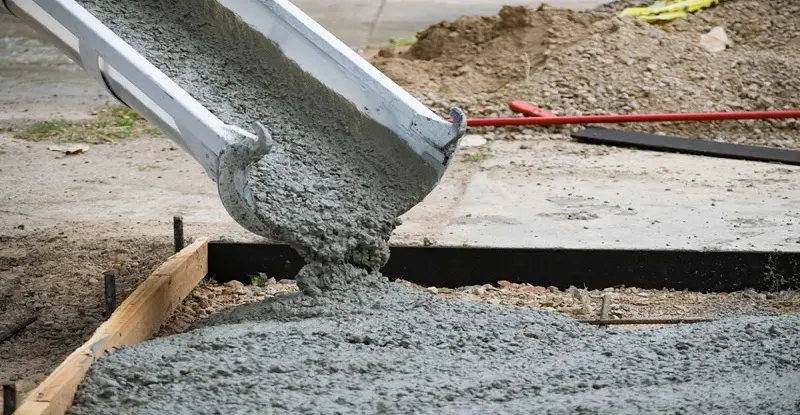
Have Questions About Our Product Range?
We’re here to assist you with the right solutions
How Sodium Gluconate Improves the Quality of Concrete and Construction?
| Improvement | Mechanism | Impact |
|---|---|---|
| Strength Enhancement | Uniform hydration and reduced porosity | Stronger, load-bearing structures |
| Crack Resistance | Mitigates shrinkage and thermal stresses | Improved structural integrity |
| Surface Smoothness | Better flowability and mold filling | Aesthetic appeal and reduced finishing costs |
| Environmental Adaptability | Stability in extreme climates | Reliable performance in diverse conditions |
By addressing these critical aspects, sodium gluconate elevates the quality of concrete and construction materials, ensuring that modern structures meet the demands of durability, efficiency, and sustainability. Its versatility and effectiveness make it a cornerstone in advancing the construction industry.
Sodium gluconate is a game-changer in the construction industry, offering a combination of chemical stability, eco-friendliness, and performance enhancement. Its ability to delay setting time, improve workability, inhibit corrosion, and enhance the overall quality of concrete makes it indispensable for modern construction projects. By incorporating sodium gluconate into concrete formulations, engineers and builders can achieve superior durability, sustainability, and efficiency in their structures.
FAQs
No schema found.