Dimethicone, a type of silicone, is renowned for its versatile applications across various industries. Its unique properties, such as stability and skin-friendly benefits, make it a valuable ingredient in numerous products. This blog delves into the importance of dimethicone, its properties, and its wide-ranging uses.
What is Dimethicone?
Definition and Chemical Structure
Dimethicone, also known as polydimethylsiloxane (PDMS), is a silicon-based polymer. Its chemical structure consists of repeating units of siloxane (Si-O) bonded with organic groups, typically methyl. This structure imparts unique properties like flexibility, water repellency, and thermal stability.
Common Names and Synonyms
- Polydimethylsiloxane (PDMS)
- Dimethylpolysiloxane
- Silicone oil
Properties of Dimethicone
Physical Properties
Appearance
Clear, colorless liquid
Viscosity
Ranges from low to high, depending on molecular weight
Odor
Odorless
Appearance
Clear, colorless liquid
Viscosity
Ranges from low to high, depending on molecular weight
Odor
Odorless
Chemical Properties
Inertness
Chemically inert, does not react with most substances
Stability
Thermally stable, resistant to oxidation and UV degradation
Stability and Solubility
Solubility
Insoluble in water but soluble in organic solvents
Stability
Stable under a wide range of pH and temperatures
Applications of Dimethicone
Cosmetics and Personal Care
Role in Skincare Products
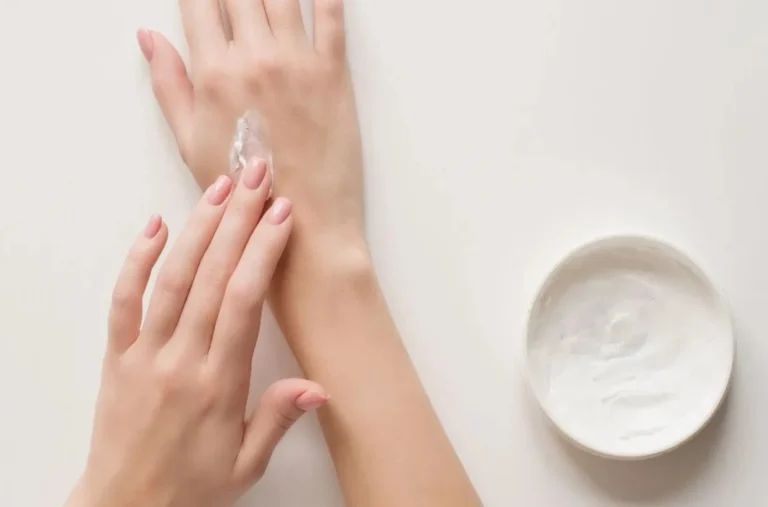
Moisturizers and Lotions: Dimethicone forms a protective barrier on the skin, preventing water loss and keeping the skin hydrated.Anti-Aging Creams: It enhances the smoothness and appearance of the skin by filling in fine lines and wrinkles.
Use in Hair Care Products
Conditioners and Serums: Adds shine, reduces frizz, and improves manageability.Heat Protectants: Shields hair from heat damage caused by styling tools.
Makeup Formulations
Foundations and Primers: Provides a silky texture, improves spreadability, and gives a matte finish.Lipsticks and Eyeliners: Enhances application and longevity.
Medical Applications
Topical Medications
Wound Care: Used in formulations to protect and heal the skin, reducing irritation and promoting faster recovery.
Skin Protectants: Helps to prevent diaper rash and other skin irritations.
Benefits in Wound Care and Skin Protection
Barrier Function: Forms a protective layer that helps retain moisture and protect against irritants.Non-Comedogenic: Does not clog pores, making it suitable for acne-prone skin.
Industrial Applications
Use in Lubricants and Sealants
Sealants
Used in sealing joints and gaps due to its flexibility and stability
Mechanical Lubricants
Provides long-lasting lubrication with low friction.
Sealants
Used in sealing joints and gaps due to its flexibility and stability
Mechanical Lubricants
Provides long-lasting lubrication with low friction.
Applications in Textiles and Coatings
Textile Treatments
Imparts water repellency and softness to fabrics.
Coatings
Enhances the durability and protective qualities of various coatings.
Textile Treatments
Imparts water repellency and softness to fabrics.
Coatings
Enhances the durability and protective qualities of various coatings.
Benefits of Dimethicone
Moisturizing and Skin Protection
Hydration: Creates a barrier that locks in moisture, keeping the skin hydrated.Protection: Shields the skin from environmental stressors and irritants.
Hair Conditioning and Smoothness
Shine and Smoothness: Adds a glossy finish and smooths hair cuticles, reducing frizz.Heat Protection: Protects hair from heat damage during styling.
Non-Comedogenic and Hypoallergenic Properties
Gentle on Skin: Suitable for sensitive skin and does not cause breakouts.Hypoallergenic: Low risk of allergic reactions.
Enhancing Product Texture and Feel
Silky Texture: Provides a smooth, silky feel to cosmetic products.Improved Spreadability: Makes products easier to apply evenly.
Safety and Regulatory Information
Safety Profile and Common Concerns
General Safety
Considered safe for use in cosmetics and personal care products.
Potential Concerns
Rare cases of skin irritation; generally non-toxic.
General Safety
Considered safe for use in cosmetics and personal care products.
Potential Concerns
Rare cases of skin irritation; generally non-toxic.
Regulatory Approvals and Guidelines
FDA and Other Agencies
Approved for use in various products by regulatory bodies worldwide.
Guidelines
Must meet specific purity and safety standards.
FDA and Other Agencies
Approved for use in various products by regulatory bodies worldwide.
Guidelines
Must meet specific purity and safety standards.
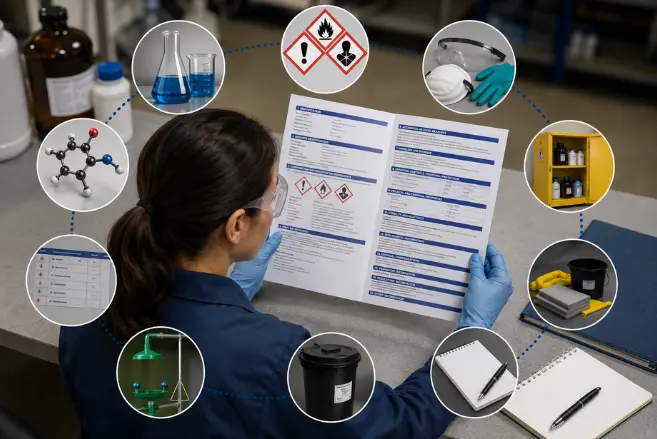
Handling and Storage Precautions
Storage
Store in a cool, dry place away from direct sunlight.
Handling
Use protective equipment to avoid prolonged skin contact.
Storage
Store in a cool, dry place away from direct sunlight.
Handling
Use protective equipment to avoid prolonged skin contact.
Environmental Impact
Biodegradability and Environmental Concerns
Biodegradability: Not readily biodegradable, but generally considered to have low environmental impact.Environmental Concerns: Minimal risk when used in typical consumer products.
Sustainable Sourcing and Alternatives
Sourcing: Derived from silica, a naturally abundant resource.Alternatives: The development of eco-friendly silicone alternatives is ongoing.
How to Use Dimethicone in Formulations
Recommended Concentrations and Combinations
Concentrations: Typically used in concentrations ranging from 0.5% to 5%.Combinations: Often combined with other emollients, humectants, and active ingredients.
Tips for Effective Formulation
Mixing: Ensure proper mixing to achieve a uniform consistency.Compatibility: Test compatibility with other ingredients to avoid separation or instability.
Common Challenges and Troubleshooting
Separation: Ensure thorough mixing to prevent ingredient separation.Texture Issues: Adjust concentrations to achieve the desired texture and feel.
Dimethicone Versus Other Silicones
Cyclopentasiloxane
Chemical Structure: Cyclopentasiloxane is a cyclic silicone with a ring structure, which makes it lightweight and volatile. Properties: It evaporates quickly, leaving behind a smooth, silky feel without any residue. This makes it ideal for leave-on products like hair serums and facial primers.Advantages: Provides a non-greasy, quick-drying finish, suitable for formulations where a lightweight feel is essential. Drawbacks: Less suitable for long-lasting hydration and protection compared to dimethicone due to its volatility.
Dimethiconol
Chemical Structure: Dimethiconol is a hydroxylated derivative of dimethicone, meaning it has hydroxyl (-OH) groups attached to the silicone backbone.Properties: It offers a thicker, more viscous texture, providing superior conditioning and long-lasting moisture retention.Advantages: Excellent for use in products where conditioning and long-term protection are needed, such as in heavy-duty hair conditioners and barrier creams.Drawbacks: Can be heavier and more occlusive, which may not be suitable for all skin types, particularly oily or acne-prone skin.
Alternative Ingredients
Natural Oils (e.g., Argan Oil, Jojoba Oil)
Properties: Natural oils like argan and jojoba are rich in essential fatty acids and antioxidants, providing excellent moisturizing and nourishing benefits.Advantages: Often perceived as more natural and eco-friendly, appealing to consumers seeking organic or natural products. They also offer additional skin benefits, such as anti-inflammatory properties.Drawbacks: Can be comedogenic (pore-clogging) and may not provide the same level of occlusion and stability as silicones. They also vary in their consistency and shelf life.
Shea Butter
Properties: Shea butter is a natural fat extracted from the nuts of the shea tree. It is highly moisturizing and rich in vitamins A and E.Advantages: Provides deep hydration and skin barrier protection, making it ideal for dry and sensitive skin. It is also non-comedogenic and has anti-inflammatory properties.Drawbacks: Can be too heavy and greasy for some skin types, particularly oily or acne-prone skin. It also lacks the silky, smooth feel that silicones provide.
Hyaluronic Acid
Properties: A naturally occurring substance in the skin, known for its ability to retain moisture.Advantages: Provides intense hydration without being greasy or occlusive. It is lightweight and suitable for all skin types, including sensitive and acne-prone skin.Drawbacks: Does not offer the same level of emolliency and barrier protection as silicones. It is more effective in hydrating the skin rather than providing a silky texture or smoothing effect.While dimethicone and other silicones like cyclopentasiloxane and dimethiconol offer unique benefits in terms of texture, stability, and protective properties, natural alternatives such as argan oil, jojoba oil, shea butter, and hyaluronic acid provide their own advantages, especially in the context of natural and organic formulations. The choice between these ingredients depends on the specific needs of the product formulation and the preferences of the target consumers.
Conclusion
Dimethicone is a versatile silicone used across various industries due to its unique properties like stability, moisture retention, and skin-friendly benefits. Compared to other silicones such as cyclopentasiloxane and dimethiconol, and natural alternatives like argan oil, shea butter, and hyaluronic acid, dimethicone offers superior stability and protective qualities. Each ingredient has its specific advantages and drawbacks, making the choice dependent on the formulation needs and consumer preferences. Understanding these differences helps in creating effective and tailored products for diverse applications.